|
 |
| Working Safely After Storms |
|
| Follow these tips to protect yourself and others from utility hazards when working in storm-damaged areas. |
|
| Use Generators Safely |
| To prevent carbon monoxide (CO) poisoning: |
| • |
Use generators only outdoors in open areas. |
| • |
Keep them at least 20 feet away from doors, windows and vents. |
| • |
If a CO alarm sounds, evacuate the structure and seek fresh air outdoors. |
|
|
| NEVER plug a generator into a wall outlet. A plugged-in generator will send electricity into utility lines. This puts outage repair crews in danger and can delay the restoration of power. |
| Avoid Natural Gas Hazards |
| • |
Confirm the location of natural gas piping with the property owner before working in or around any structure. |
| • |
Make sure vent lines for dryers, water heaters, or other gas-fueled equipment are properly connected and have not been blocked or compromised by floodwaters, storm debris, snow or ice. |
| • |
Do not operate any gas appliance that has been affected by floodwaters until a qualified professional inspects it and any necessary repairs have been made. |
|
|
| Avoid Electrical Hazards |
| • |
Stay out of flooded basements. |
|
| • |
Do not touch electrical appliances or equipment if you are wet or standing in water. |
| • |
If you must work in wet conditions, use tools and extension cords that are suitable for outdoor use, and plug them into ground fault circuit interrupters (GFCIs) for shock protection. |
| • |
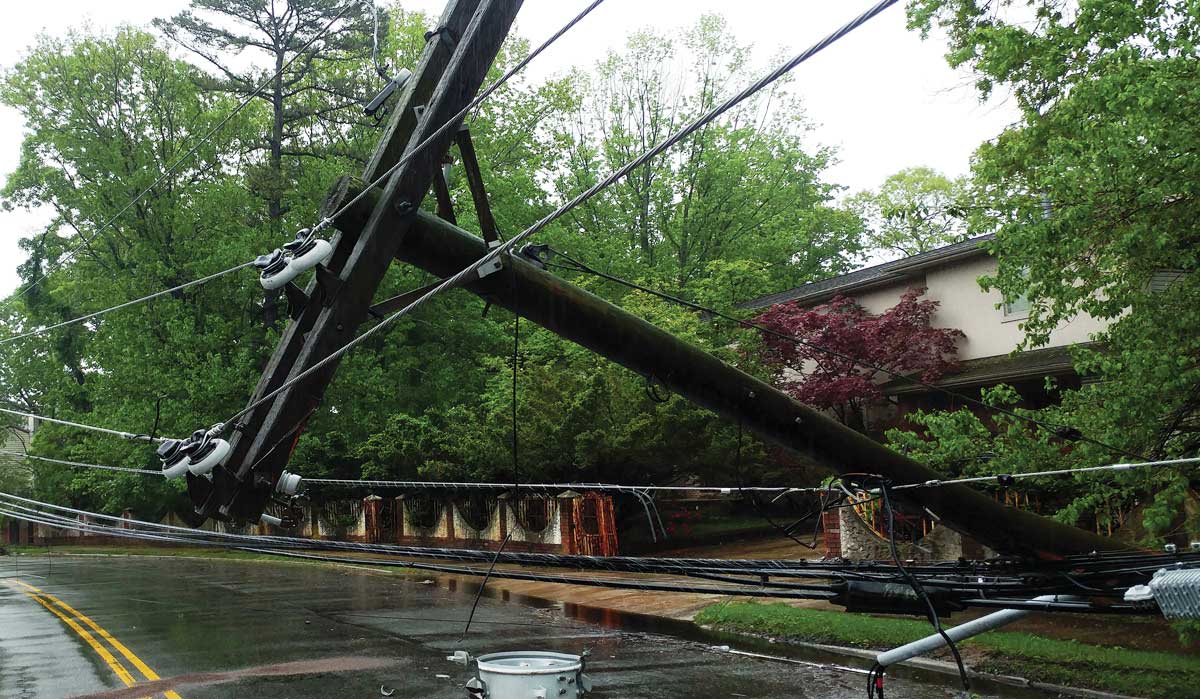
If you see a sagging or downed power line, always assume it is energized and dangerous. Stay far away from the line and anything it is contacting, and report it to 911. |
| • |
Avoid walking and driving through floodwaters, as water may hide fallen power lines. |
|
|
| Disconnect Utilities Before Major Repair Work |
| Before starting demolition or major repairs in a structure with active electric or gas service, contact Duke Energy at 800.777.9898 well in advance. Arrange to have the utility lines and meters properly disconnected. |
| Would You Like to Know More? |
| Additional utility safety tips, case studies, instructional videos and educational tools can all be found, at no charge to you, on Duke Energy's Worker Beware website. |
|